The Spreading Plum Yew: A Lowmaintenance Droughttolerant Shrub For Any Landscape
The spreading plum yew (Cephalotaxus harringtonia 'Prostrata') is a low-growing, evergreen shrub that is perfect for adding year-round interest to any landscape. It is known for its dark green, feathery needles, which give it a unique and attractive texture. Spreading plum yews are also relatively easy to care for, making them a good choice for busy gardeners.
In this blog post, we will discuss the following:
- The spreading plum yew's appearance and growth habit
- Its hardiness and climate adaptability
- Its soil and water requirements
- Its pest and disease resistance
- Its pruning and care needs
- Its potential uses in the landscape
Appearance and Growth Habit
Spreading plum yews typically grow to be 2-3 feet tall and 4-6 feet wide. They have a spreading, mounding growth habit and can be used as groundcovers, borders, or foundation plantings. Their dark green needles are feathery and glossy, and they give the shrub a unique and attractive texture. Spreading plum yews are evergreen, so they will provide year-round interest in your landscape.
Hardiness and Climate Adaptability
Spreading plum yews are hardy in USDA zones 6-9. They can tolerate a wide range of temperatures, from -10 degrees Fahrenheit to 30 degrees Fahrenheit. They are also tolerant of a variety of soil types, as long as they are well-drained. Spreading plum yews are not as drought-tolerant as some other evergreen shrubs, but they can tolerate periods of dry weather.
Soil and Water Requirements
Spreading plum yews prefer well-drained, sandy loam soils. They can tolerate a wide range of soil pH levels, but they prefer slightly acidic soils (pH 6-7). Spreading plum yews do not require a lot of water, but they should be watered deeply once a week during the summer months. They should be allowed to dry out slightly between waterings.
Pest and Disease Resistance
Spreading plum yews are relatively resistant to pests and diseases. They are not susceptible to deer browsing, and they are only rarely affected by insect pests or diseases. However, they can be susceptible to root rot if they are planted in poorly drained soils.
Pruning and Care Needs
Spreading plum yews do not require a lot of pruning. They can be pruned in early spring to remove dead or damaged branches. They can also be sheared to maintain a specific shape or size. Spreading plum yews are relatively low-maintenance shrubs and can be enjoyed for many years with minimal care.
Potential Uses in the Landscape
Spreading plum yews are versatile shrubs that can be used in a variety of ways in the landscape. They are commonly used as groundcovers, borders, or foundation plantings. They can also be used to create hedges or screens. Spreading plum yews can also be used in containers, and they can make attractive additions to patios or decks.
Conclusion
The spreading plum yew is a low-maintenance, drought-tolerant shrub that is perfect for adding year-round interest to any landscape. It is hardy in a wide range of climates and can tolerate a variety of soil types. Spreading plum yews are not susceptible to many pests or diseases, and they require minimal pruning. If you are looking for an easy-care, evergreen shrub that will add beauty and interest to your landscape, the spreading plum yew is a great option.
If you're looking for a low-maintenance, evergreen groundcover that can add year-round color to your shady areas, then the spreading plum yew (Cephalotaxus harringtonia 'Prostrata') is a great option. This hardy shrub is tolerant of heat, drought, and shade, and it's also deer resistant. It grows to a mature height of just 2-3 feet and a spread of 3-4 feet, making it perfect for small spaces.
The spreading plum yew has dark green, feathery needles that give it a delicate, fern-like appearance. It's a great choice for adding interest to foundation plantings, rock gardens, and borders. It can also be used as a low hedge or groundcover.
If you're interested in learning more about the spreading plum yew, I recommend visiting Garden Wiki. This website has a wealth of information about the plant, including its care requirements, planting tips, and pest and disease resistance. You can also find photos and videos of the plant in different settings.
FAQ of spreading plum yew
Question 1: What is a spreading plum yew?
Answer: A spreading plum yew is a type of evergreen shrub that is native to Japan. It has a low, spreading growth habit and can reach up to 6 feet tall and 10 feet wide. The leaves are dark green and oval-shaped, and they have a slightly plum-like scent. Spreading plum yews are hardy in USDA zones 5-9 and can tolerate a variety of soil conditions. They are also relatively drought-tolerant.
Question 2: Does spreading plum yew need sun or shade?
Answer: Spreading plum yews prefer partial shade to full shade. They can tolerate full sun, but they may scorch in hot, dry climates. If you live in a hot climate, it is best to plant your spreading plum yew in a location that receives some afternoon shade.
Question 3: How fast does spreading plum yew grow?
Answer: Spreading plum yews grow at a moderate rate. They can add 1-2 feet of growth per year in the early years. As they mature, their growth rate will slow down.
Question 4: Does spreading plum yew spread?
Answer: Yes, spreading plum yews can spread by underground runners. If you are concerned about your spreading plum yew spreading too much, you can plant it in a container or in a bed with a physical barrier, such as a brick wall or a fence.
Question 5: How do I care for a spreading plum yew?
Answer: Spreading plum yews are relatively low-maintenance plants. They need regular watering, especially during the first year after planting. They also benefit from an annual application of fertilizer in the spring. In addition, you should prune your spreading plum yew every year to maintain its shape and size.
Image of spreading plum yew
Here are 5 different images of "spreading plum yew" from pinterest.com:
- Image 1: A spreading plum yew shrub with dark green, spiky leaves and a cascading growth habit.

- Image 2: A close-up of the leaves of a spreading plum yew, showing their scale-like shape and sharp spines.
- Image 3: A spreading plum yew in full sun, with its leaves a bright green color.
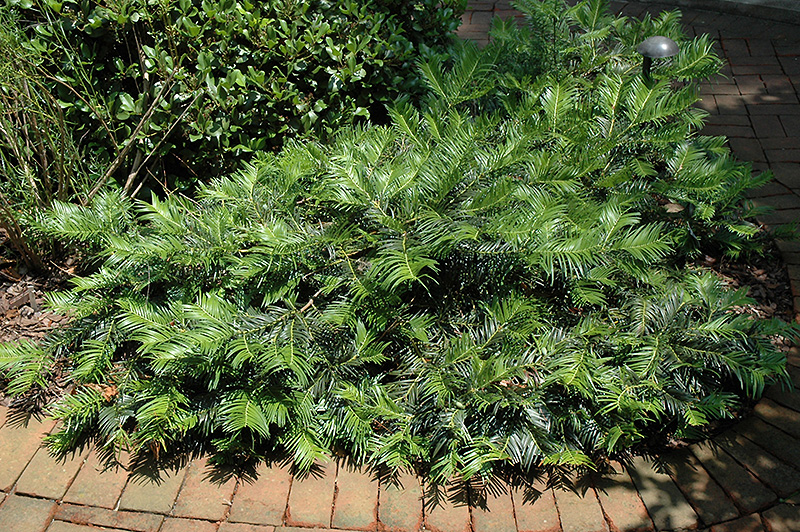
- Image 4: A spreading plum yew planted in a rock garden, with its cascading branches spilling over the rocks.
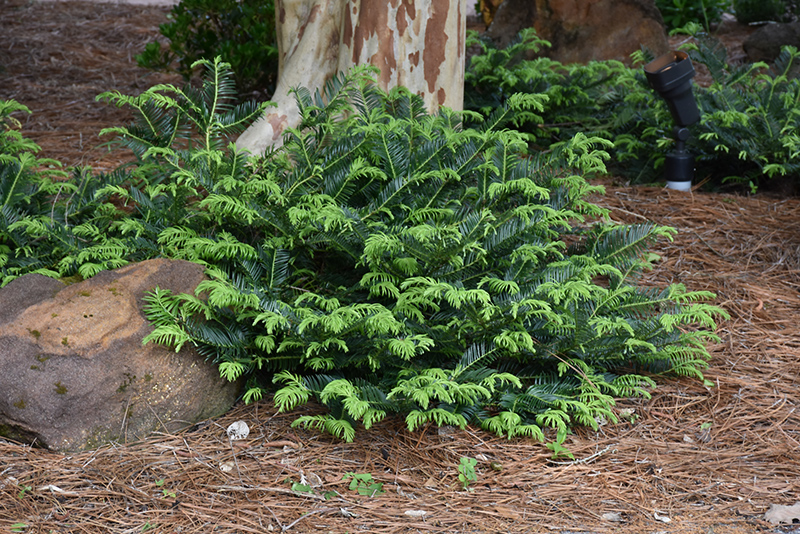
- Image 5: A spreading plum yew used as a groundcover, with its leaves covering the ground in a soft green carpet.


Post a Comment for "The Spreading Plum Yew: A Lowmaintenance Droughttolerant Shrub For Any Landscape"